Showing posts with label Comparative Anatomy. Show all posts

Friday, January 27, 2012

The Animals Have It All Covered – Classifying Animals by Body Coverings

I used to work in a zoo and one of the things that we really tried to teach children was how to recognize the basic types of animals that they see on a regular basis.  I apologize that this isn’t a fun and flashy experiment, but to my way of thinking it is really important for helping children to understand the world around them.  By being able to group organisms together, children can begin to transfer the things they learned from one animal to other similar animals. I've done the following lesson with large groups, small groups, and my own children.

Today we are going to work on the easiest method for children to classify vertebrate (animals with a spinal cord) animals – by their body coverings.  Children as young as two can learn to tell the difference between mammals, birds and reptiles and that is the goal for this lesson, to make the lesson more fun and engaging it helps to have examples of the body coverings to touch and observe.  For our purposes and for the safety of animals, fake furs and scales are preferred as well as domestic feathers.  Better yet if you would like to see the real thing visit a living history museum, zoo, or nature center.
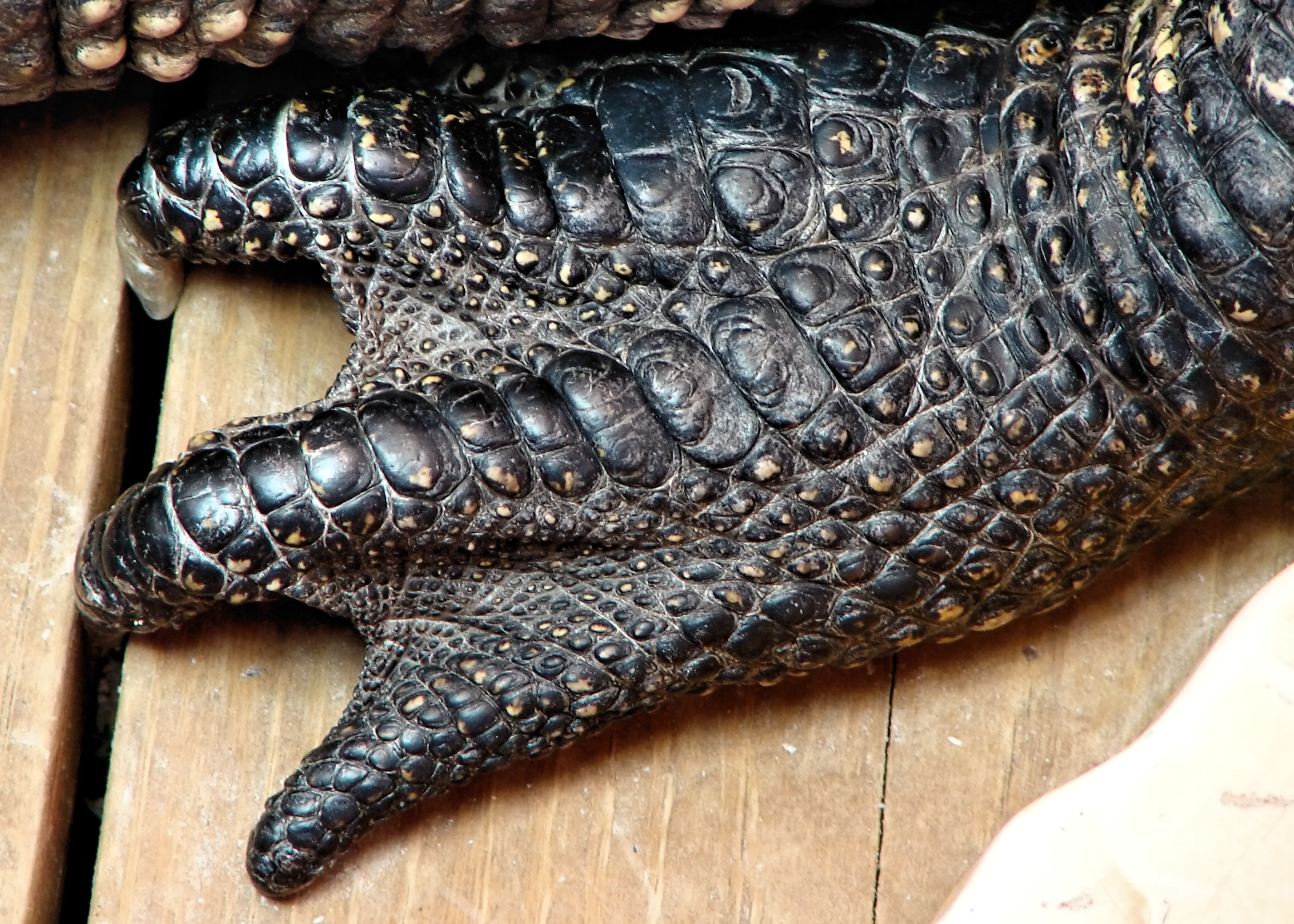
This animal is a reptile because it has scutes. (Alligator)
Photo by Rob from Athens, GA 
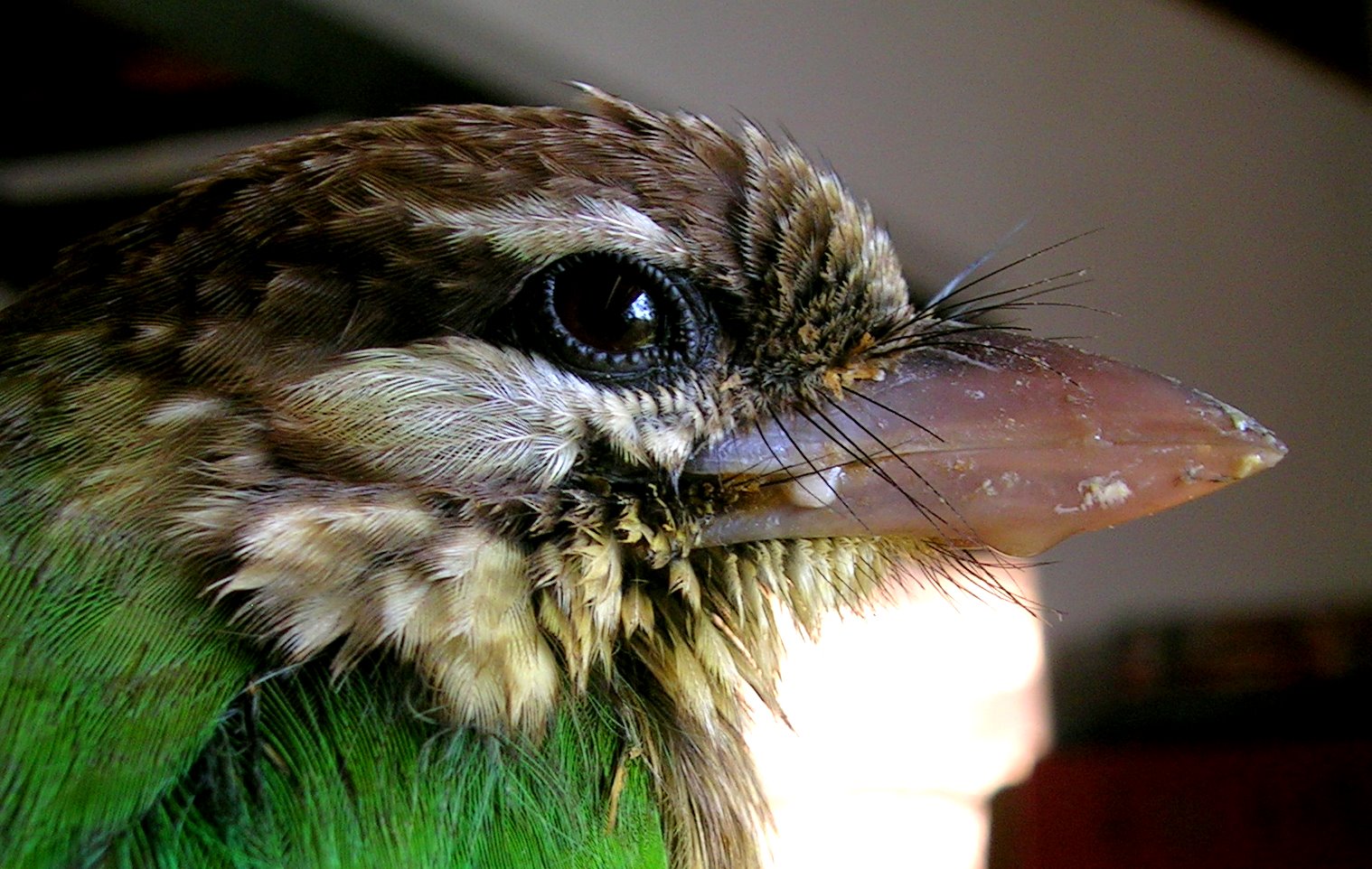
This animal is a bird because it has
feathers (Small Green Barbet) Photo by L. Shyamal


This animal is a mammal because it has hair. 
(Big Eared Townsend Bat.)
Parent Background Guide   Vertebrates (class chordata)  are animals like us.  They are complex, have cells and organs, and have a spinal chord.  The main groups of class chordate are the jawless fishes (lampreys and hagfish), cartilaginous fishes (sharks and rays), bony fishes (all the other ones), amphibians (frogs, salamanders and newts), mammals (animals with fur), birds (animals with feathers), and reptiles (animals with scales or scutes).  Scutes are the boney scales on turtles and crocodilians.   We will be concentration on the 3 land animals in this lesson.  The chart below shows the basics:
This week’s activity
Materials
Realistic toy animals with appropriate body coverings  or
Raid your closet, retail stores, of the local thrift store for items with (preferably fake):
Fur
Feathers
Scales (snake or crocodile skin purse or shoe ??)
A book of animal pictures.

Discovery time: Let your children touch samples of the fur, feathers, and scales.  Ask them to tell you how they feel – bumpy, soft, scratchy, smooth, warm . . . .   This is a great time to  practice using descriptive words.    Have your children contrast how the body covering look different and start practicing the words mammal, bird, and reptile.  Next look at the animal book and let them try to guess which group each appropriate animal fits into.    
Tying it together:  The fun part of this exercise isn’t really during the first teaching lesson, what we loved is looking at books, TV shows, and the zoo and naming each animal as we found it.  Doing this consistently reinforced the ideas for my kids that scales were for reptiles, feathers were for birds, and fur or hair was for mammals.   After we had those things down, we were able to add other facts about each group.  Now whenever, my children see an animal they know something about it even if they don’t know the animals name.  It makes them feel good that they a basic understanding of every animal they see, and makes them want to know even more.  


Saturday, October 8, 2011

Animals and Us – One Pattern for Infinite Variety


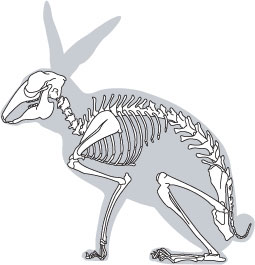
Last week, The Preschool Scientist focused on helping our children to understand what they look like on the inside, specifically their bones.  Today, we will be extending that understanding to animals.  The goals of this lesson are first to help children understand that familiar animals have the same basic body parts as we do and also have bones.  The second goal is to introduce the idea that animals have lots of similarities with one another.  When children understand that animals have bodies similar to ours it inspires both wonder at the variety that they see on our outsides and empathy for other species.    This activity requires very few materials and makes no mess so it would be a great one to do at a Doctor’s office or anywhere that had a wait so long as skeletons had already been printed out.  Finally an educational use for all those stuffed animals that seem to constantly find thier way into your house!

Parent Background Guide   Our lesson today is really a study of basic comparative anatomy.  In comparative anatomy, scientists look at bones and other structures in different organisms to see the similarities and the differences.  This allows them to group and classify these organisms and before we could test DNA it helped scientists to determine which animals were related to each other.  One of the most striking similarities to me is how similar human hand bones are to whale flippers, yet they perform utterly different functions.  In general, animals with a spinal cord are most often studied.  Comparative Anatomy is still a very useful study today and is very valuable to the study of dinosaurs in the field of paleontology where no DNA evidence exists.

This week’s activity

Materials
2-3 Stuffed animals chosen from the list below

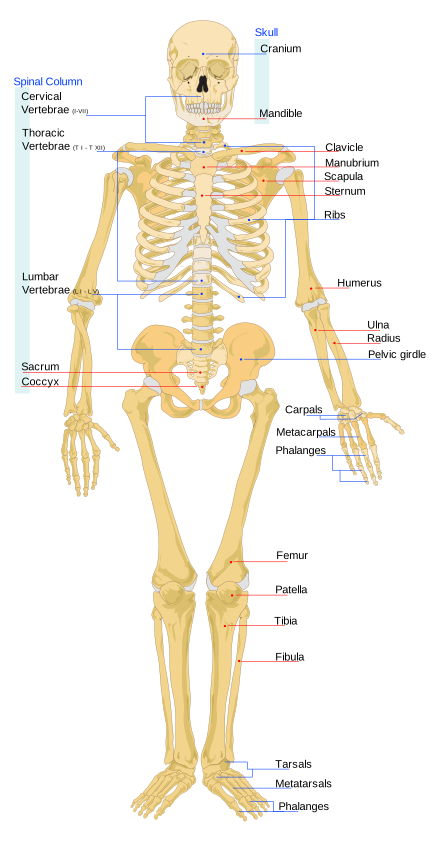
Access to the internet or printout of the human skeleton and those of the animals you have chosen.

Preparation:   Choose or allow your child to choose 3 stuffed animals that are interesting to them.  Realistic animals would be preferred, but choosing an animal to which your child has a connection would also be very valuable.  For the purposes of this lesson snakes would be confusing.

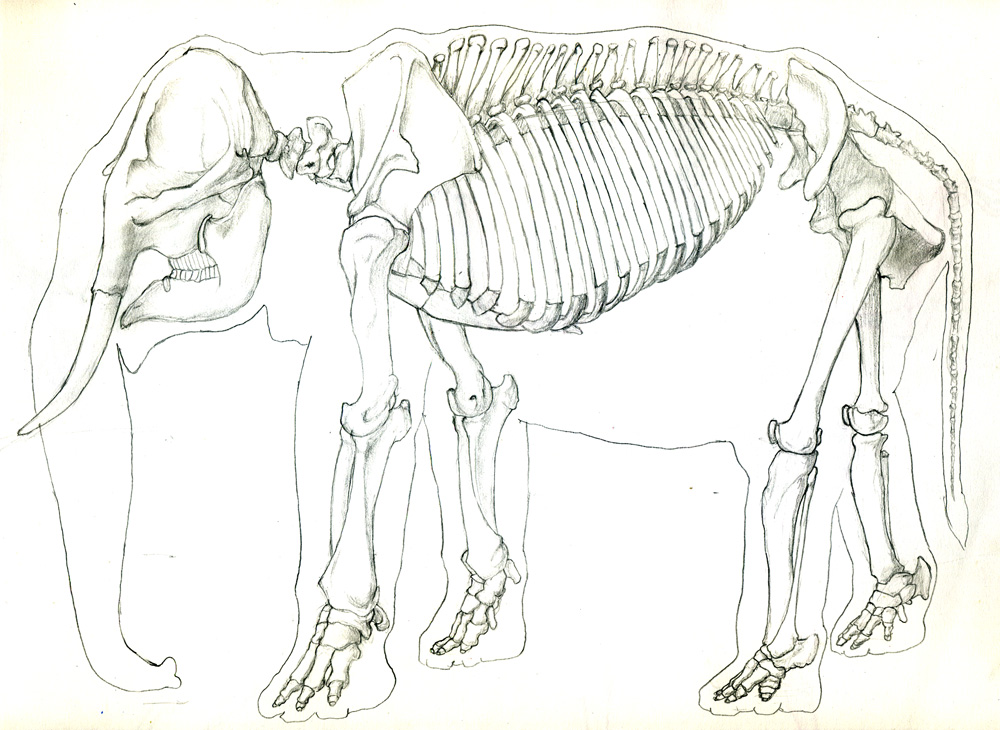
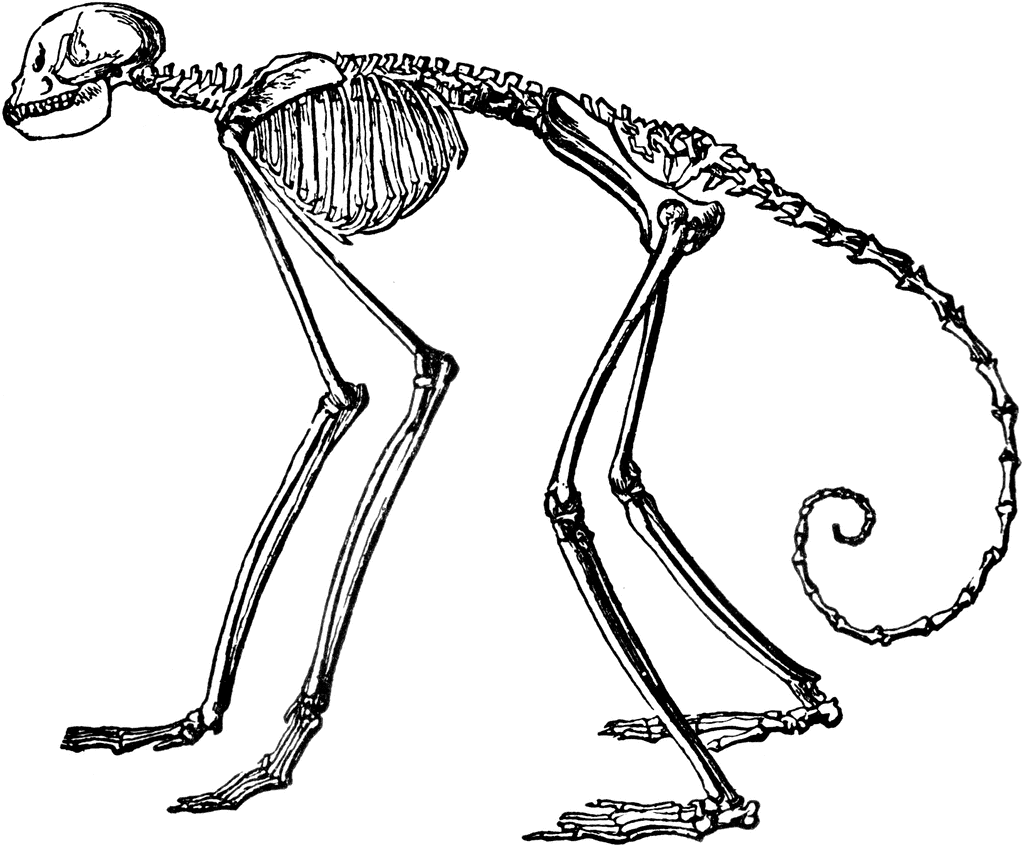
Discovery time:   Line the animals up along a couch, chair, table and begin by helping your child find similar body parts on each animal.  Where is the head, the stomach, how many feet does it have, where would the ribs be??  Look at each animal to verify that all of them have the body parts in question.  Instead of asking all the questions, encourage your child to name body parts and you can each take turns finding them.  After you have illustrated that each animal has the same basic parts (and maybe some different ones) take out or view the pictures of the skeletons.  Encourage your child to first match each skeleton with the animal.  This may require lots of help and hints, but try to avoid doing it for your child.  Next, ask your child to point to things that are similar.  All vertebrates have a skull, vertebrae, four limbs, rib cage,{hands, flippers, feet, wings}.

Tying it together:   Now that your child has the general idea that we are all made out of the same parts, both inside and outside, make sure to connect that knowledge with other animals that they see in the world around them.  This will help to get your child thinking about their bodies and the bodies of animals as well.  For example, if you see a bird flying remind your child that their arms are similar to the bones in the bird’s wing.  What do they think it would be like to fly??  The idea here is that knowing our similarities can help children to image what it would be like to be another animal or to determine what is different that makes them different from that animal.  Horses can run faster than us, this is because they use four legs to run whereas we use two of our “legs” to do other things like carry toys. 

Fun Facts


Homologous means structures that are from the same origin (are the same bone), even if they do different things for different animals.

Human Skeleton


Skeleton Images of Common Toy Animals

Common Mammal Stuffed Animals


Non-Mammals


Check Back on Toddler Tuesday for a related activity for the little ones in your house.  Until then Happy Inquiring!


Thursday, September 29, 2011

A Look Ahead at October's Themes and Supplies

This October we will be studying the Life Sciences.  I have chosen some topics to go with the Halloween themes that we see all around us at this time of year.  The first two weeks we will have activities featuring skeletons and body parts,  the second two weeks will be devoted to the creepy crawlies before it gets to cold in some parts of the country and they become hard to find.

October Supplies and Topics
Week 1:  Boning up on our Skeleton
Masking Tape


One paper skeleton for each child – many are available that are around 3 foot tall which would be preferable for this activity.  Dollar Tree or other “Everything is $1” stores are a good source for this item. You can also make your own using this link:   http://crafts.kaboose.com/paper-skeleton.html
Week 2:  Animals and Us
2-3 Realistic shaped stuffed animals

Week 3:  Bug Hunt
For Each Child:  Toddler or larger paintbrush – up to 3” would work great so long as little hands can control it.
Trowel or hand shovel.
Magnifying Glass
Optional:  Camera to “collect” your scientist's finds.

Week 4:  Hanging Around the Web with Spiders
Water Spray Bottle
Optional items for preserving spider webs:
Talcum Powder
Black construction paper
Hairspray